
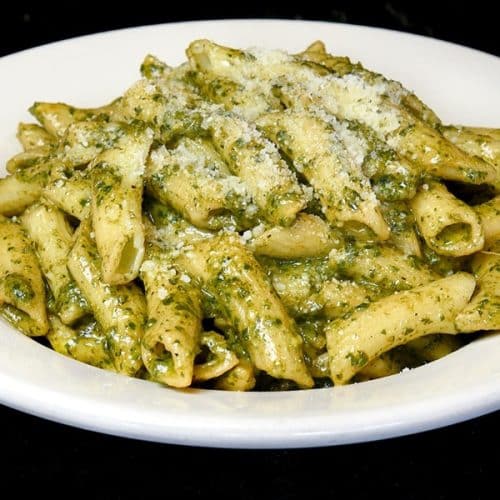
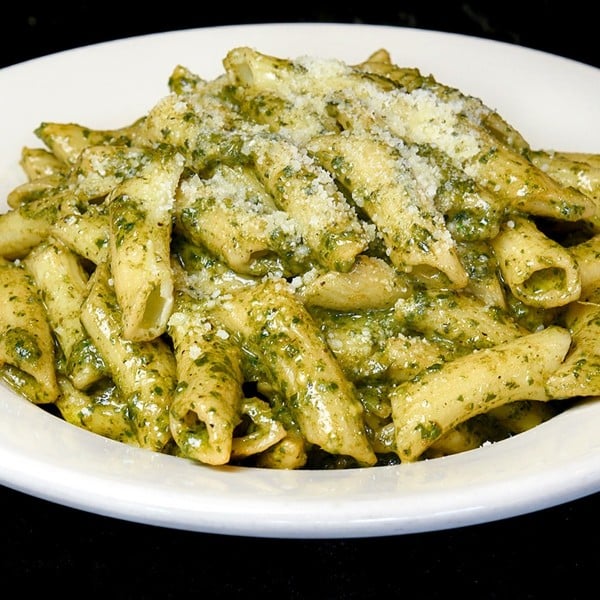
Pasta with Pesto Sauce is one of those dishes that feels like a small celebration every time you make it. The recipe comes from Genoa, where cooks have been grinding fresh basil into creamy sauce for generations. What makes this version special is the traditional mortar and pestle method, which coaxes out the basil’s natural oils without bruising the leaves.
The result is a sauce that tastes clean and vibrant, with a velvety texture that clings to every strand of pasta. You will need a bit of patience, but the process is surprisingly relaxing once you get into the rhythm of it.
About the Recipe
This recipe teaches you the traditional way to make pesto, which is quite different from throwing everything into a food processor. The mortar and pestle method might seem old fashioned, but it produces a sauce with a texture and flavor that modern appliances cannot quite replicate. The gentle grinding releases the basil’s oils gradually, creating a smooth paste that emulsifies beautifully with the olive oil.
You will notice the difference in both color and taste. The sauce stays bright green longer and has a more complex herbal note. It takes a little more time, but the technique is easy to learn and becomes almost meditative.
Why you will love this recipe
The flavor here is clean and bright, with each ingredient contributing something distinct. You taste the sweetness of the basil, the richness of the pine nuts, and the sharp, salty notes from the two cheeses. The Parmesan adds nuttiness while the pecorino brings a bit more bite. I like how the garlic stays subtle rather than overpowering everything else.
The texture is another highlight. Because you are crushing rather than chopping, the sauce has a creamy consistency that coats pasta perfectly without feeling heavy. It also keeps well in the fridge, so you can make a batch and enjoy it throughout the week. Once you try this method, you might find yourself reaching for the mortar more often.
Cooking Tips
Handle the basil gently during washing and drying. Bruised leaves will turn dark and bitter. When using the mortar, work in small batches and keep your movements slow and steady. The goal is to rub the basil against the sides rather than pounding it.
If your arm gets tired, take a break. The sauce can wait. Add the olive oil gradually at the end, stirring it in slowly so the mixture stays smooth and does not separate. If the pesto seems too thick, you can thin it with a spoonful of pasta cooking water when you toss everything together.
Serving and Storing Suggestions
This recipe makes enough pesto for about four servings of pasta. Prep time is around 20 minutes if you work at a comfortable pace. Serve it with trofie, linguine, or any pasta shape you like. You can also spread it on bread or stir it into soups.
To store the pesto, transfer it to a clean jar, smooth the top, and pour a thin layer of olive oil over the surface. This keeps the basil from oxidizing. Sealed properly, it will stay fresh in the fridge for up to a week.
Similar Recipes
- Pasta with Tomato and Basil Sauce
- Spaghetti Aglio e Olio
- Fettuccine Alfredo
- Pasta Primavera
- Linguine with Walnut Sauce
Nutrient Benefits
Basil provides antioxidants and has natural anti inflammatory properties. Pine nuts add healthy fats, protein, and minerals like magnesium and zinc. Garlic supports heart health and immune function. The cheeses contribute calcium and protein, while extra virgin olive oil offers monounsaturated fats that are good for cardiovascular health.
Because this sauce is so flavorful, you do not need much to make your pasta taste rich and satisfying. A little goes a long way, which helps keep portions reasonable without sacrificing taste.
Pasta with Pesto Sauce
Ingredients
- 55 gms Basil leaves
- 20 gms Pine nuts
- 1 to 2 cloves Garlic
- 40 gms Parmesan
- 10 gms Sardinian pecorino cheese
- Coarse salt (a few grains)
- 55 gms Extra virgin olive oil
Instructions
- Wash the basil leaves in plenty of cold water. Leave them to dry on a towel. You can also use a hand-operated salad spinner. During this process, pay attention not to break, crush or rub the basil leaves. You need to use a marble mortar and a wooden pestle when making Genoese Pesto.
- Once clean, crush the garlic and pine nuts in the mortar until they are creamy. Add the dry basil leaves a few at a time, and add salt. Don’t beat the mixture, but use the pestle with a delicate movement, rotating it against the sides of the mortar. This movement is necessary to extract the essential oils from the veins of the basil leaves, which are therefore not broken but rubbed against the side of the mortar.
- Continue this movement until the sauce is homogeneous and well-mixed, and the basil is very fine. Add the Parmesan and the Sardinian pecorino cheese. Slowly add the extra virgin olive oil and stir again with a wooden spoon until the cheese is mixed in.
- If you aren’t going to eat the pesto immediately, put it in a glass or plastic jar, cover it with a layer of oil and keep it in the fridge.
Sign up for our newsletter
Add Awesome Cuisine as a Preferred Source

Frequently Asked Questions
Can I use a food processor instead of a mortar and pestle?
You can, but the texture and flavor will be different. A food processor chops the basil rather than crushing it, which can make the sauce taste slightly bitter and look darker. The mortar method takes longer but produces a smoother, brighter sauce.
What type of pasta works best with pesto?
Traditional Genoese pesto is often served with trofie or trenette, but any pasta shape will work. Long pasta like linguine or spaghetti is a good choice because the sauce clings to the strands nicely. Short shapes like penne or fusilli also work well.
How do I prevent the basil from turning dark?
Handle the leaves gently and avoid bruising them. Wash them in cold water and dry them carefully. When grinding, use a rotating motion rather than pounding. Adding the oil at the end and covering the finished pesto with a thin layer of oil also helps preserve the color.
Can I freeze pesto?
Yes, pesto freezes well for up to three months. Leave out the cheese and add it after thawing, as cheese can separate when frozen. You can freeze pesto in ice cube trays for easy portioning, then transfer the cubes to a freezer bag.
What can I substitute for pine nuts?
Walnuts or cashews are common substitutes. They will change the flavor slightly, but they still produce a creamy, nutty sauce. Toast them lightly before grinding to bring out more flavor.
3 comments
Thanks for sharing this; it was a hit with the whole family!
hi…! information was very good …feeling to study more …….PROUD TO BE A CHEF
How do you use the pesto sauce with pasta.. do u have to heat the sauce? or does it go on top of cooked and cooled pasta?